




Why Retailers Use Custom Window Displays to Attract Customers
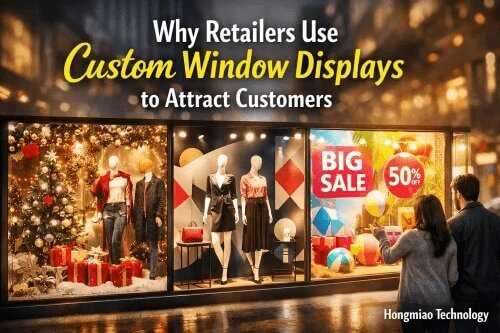
Retailers always look for ways to bring more people into their shops. One of the best ways to do this is by using a window display. A window display is the first thing a person sees when they walk past a store. It works like a big poster that tells people what is inside. Many smart shop owners use modern custom window display props to make their storefronts look professional and exciting. These props help to show off products in a way that catches the eye immediately. When a window looks good, it tells a story about the brand. It makes people feel curious and want to step inside to see more.
Research shows that a well-designed window can increase the number of people who enter a store. Retailers use these displays to show their best items and new arrivals. They also use them to celebrate holidays or special sales. A good display does not just show products; it creates a mood. It uses colors and lights to make the shop stand out from other stores on the street. If a store has a boring window, people might just walk past it without looking. But a creative window stops people in their tracks. It turns a regular person walking by into a potential customer. This is why spending time on a window display is a very important part of running a successful retail business.
01. Capturing Customer Attention Instantly
Retail stores are often located on busy streets where many things compete for a person's attention. A customer might be looking at their phone or talking to a friend while they walk. This means a retailer only has a few seconds to make them look at the store. Capturing attention instantly is the main goal of any window display. If the display is bold and bright, it acts like a magnet for the eyes. Retailers plan these spaces very carefully so that even a quick glance leaves an impression.
1.1. Eye-Catching Designs That Stand Out on Busy Streets
On a street full of shops, every store wants to be noticed. To stand out, a design must be different from everything else nearby. Some retailers use very large objects or unusual shapes to get noticed. When a design is unique, it breaks the normal pattern of the street. People naturally look at things that seem out of place or extra beautiful. An eye-catching design helps a small shop compete with much bigger stores. It shows that the retailer cares about their presentation and has something special to offer.
1.2. Using Colors, Lighting, and Props to Grab Attention
Colors and lights are powerful tools in visual merchandising. Bright colors can make people feel happy or excited. For example, red often shows energy or a sale, while blue feels calm and professional. Lighting is also very important because it points the eyes toward the most important products. Retailers use spotlights to create shadows and highlights that make items look more expensive. Props are the physical objects that support the products. They add layers and height to the display. When colors, lights, and props work together, they create a strong visual relation.
02. Creating a Strong First Impression
First impressions happen very fast. In business, the first impression often starts outside the shop. If a window looks messy or old, a customer might think the products inside are also low quality. But if the window is clean and modern, the customer feels positive about the brand. This feeling is very important for building trust with new shoppers.
2.1. The Importance of an Attractive Storefront
A storefront is the face of a business. An attractive storefront makes the whole street look better. It shows that the shop is open and ready to welcome people. Many shoppers decide to enter a store based only on how it looks from the outside. If the storefront is bright and welcoming, it reduces the fear a person might have about entering a new place. A clean and organized window display shows that the shop owner is professional. It gives the shopper a reason to believe that they will find good service inside.
2.2. How Window Displays Shape Customer Perception
Customer perception is how a person thinks and feels about a brand. A window display can make a shop look luxury or it can make it look like a budget store. If a retailer uses high-quality materials and simple designs, customers will perceive the items as premium. If the display is full of "Sale" signs and bright yellow tags, people will think the store is cheap. By controlling the display, a retailer controls how people think about them. This helps the shop attract the specific type of customers they want.
03. Strengthening Brand Identity
Every business has a personality. Some are funny and young, while others are serious and elegant. A window display is a great place to show this personality. When a brand uses the same style in every window, it becomes a strong brand identity. This makes it easier for people to remember the store later.
3.1. Reflecting Brand Personality Through Display Design
A brand that sells sports gear should have a window that looks active and energetic. A brand that sells jewelry should have a window that looks soft and expensive. Retailers use specific shapes and themes to reflect their soul. For example, using natural wood props might show that a brand is eco-friendly. Using metal and neon lights might show that a brand is high-tech. When the design matches the products, the customer understands the brand message much faster.
3.2. Building a Consistent Visual Brand Image
Consistency means doing the same thing over and over. If a customer sees the same colors and logo in the window that they saw online, they feel safe. A consistent visual image helps people recognize the store even from a distance. Retailers use specific color palettes and fonts in their window displays to match their marketing. This builds a strong bond between the customer and the shop. It makes the brand look bigger and more professional in the eyes of the public.
04. Highlighting Featured and New Products
A window display is a perfect place to show what is new or what is popular. It is like a live advertisement for the inventory. Instead of showing everything, retailers pick a few special items to highlight. This makes those items seem more valuable and interesting.
4.1. Showcasing Best-Selling Items
Best-selling items are products that many people already like. By putting these in the window, a retailer shows that they have what people want. It is a way of saying that these products are proven to be good. When a person sees a popular item in a beautiful setting, they are more likely to want it for themselves. Showcasing these items helps to keep sales high and moving.
4.2. Promoting New Arrivals in an Engaging Way
New arrivals bring excitement to a store. If a regular customer walks by and sees something new, they might come in just to see it closer. Retailers use new products to keep their windows fresh. They often use creative themes to introduce these items. For example, if a new winter coat arrives, they might use fake snow and ice props to show it. This makes the product look like it belongs in the real world. It helps the customer imagine using the product in their own life.
05. Supporting Seasonal and Promotional Campaigns
Retail follows a calendar. There are different holidays and seasons throughout the year. Window displays are the best way to tell the street that a special event is happening. Whether it is Christmas or a Summer Sale, the window changes to match the mood of the shoppers.
5.1. Designing Displays for Holidays and Special Events
During holidays, people are often looking for gifts. A holiday-themed window helps them feel the spirit of the season. Retailers use traditional symbols like trees for Christmas or hearts for Valentine's Day. These displays make the shop feel like a part of the community. It also reminds people that they need to buy presents. A festive window makes shopping feel like a fun activity rather than a chore.
5.2. Promoting Limited-Time Offers and Discounts
Sales and discounts are a great way to clear out old stock. When a retailer has a big sale, they put it in the window in big letters. This creates a sense of urgency. People feel that they might miss a good deal if they do not go inside right now. Using bright colors like orange or red for sale signs helps to grab attention. A clear marketing message about a discount can quickly increase the number of people in the store.
06. Increasing Store Foot Traffic
Foot traffic is the number of people who walk into a store. The more people who walk in, the more chances the retailer has to sell something. The window display is the main tool used to pull people from the sidewalk into the shop.
6.1. Encouraging Passersby to Enter the Store
Most people on the street are just passing by. They have a destination in mind. To make them stop and enter, the window must offer something interesting. A good display works like a "hook." It gives the person a reason to pause. Once they pause, they look at the products. If they like what they see, they will take the next step and open the door. This simple process is how most retail sales begin.
6.2. Turning Window Viewers Into Potential Buyers
A viewer is someone who just looks. A buyer is someone who spends money. The goal of visual merchandising is to turn the viewer into a buyer. This happens when the display shows how the product solves a problem or makes life better. For example, showing a mannequin in a perfect outfit makes a shopper think, "I want to look like that." By creating a desire, the window display starts the shopping journey. It moves the person from just looking to thinking about owning the item.
07. Standing Out From Competitors
In most shopping areas, there are many stores selling similar things. If everyone sells clothes, how do you make people choose your shop? The answer is often in the window. A unique window makes a store look like it has better or different items than the shop next door.
7.1. Unique Displays That Differentiate the Store
Being different is a big advantage in business. If every store uses the same boring shelves, a store that uses creative props will look better. Retailers often hire artists or designers to make something never seen before. This differentiation is what makes a brand famous. When people talk about a "cool shop," they are often talking about how it looks from the outside. A unique display gives the store its own voice in a crowded market.
7.2. Creating Memorable Visual Experiences
A memorable experience is something people remember for a long time. If a window display is very beautiful or funny, people might take a photo of it. They might share it on social media. This gives the store free advertising. Creating a visual experience means making more than just a product display. It means making a piece of art. When a customer remembers the window, they are more likely to come back to that store in the future.
08. Encouraging Impulse Buying
Impulse buying is when a person buys something they did not plan to buy. It happens because they saw something and liked it immediately. Window displays are very good at causing impulse buys.
8.1. Using Attractive Displays to Spark Interest
Interest starts with a visual spark. A shopper might be walking to buy groceries, but then they see a beautiful watch in a window. Suddenly, they are interested in watches. The display "sparked" a new thought in their head. Retailers place small, high-value items at eye level to make this happen more often. They use lighting to make these items shine and look attractive.
8.2. Influencing Quick Purchase Decisions
A quick decision happens when the emotion is stronger than the logic. If a window display makes a product look perfect, the customer does not want to wait. They want to have it right now. This is why retailers change their windows often. They want to show something new that might catch someone's eye today. By showing how a product fits into a lifestyle, the display makes the decision to buy feel easy and right.
09. Improving Overall Visual Merchandising Strategy
Visual merchandising is the whole plan for how a store looks. The window display is just one part of this plan, but it is the foundation. It must work together with the inside of the store to be successful.
9.1. Aligning Window Displays With In-Store Layout
When a customer enters a store because of a window, they should find the same products easily. If the window shows a red dress, that dress should be near the front of the store. This is called alignment. It helps the customer feel that they are in the right place. It makes the shopping experience smooth and organized. If the inside of the store is totally different from the window, the customer might feel confused and leave.
9.2. Supporting a Consistent Retail Presentation
A consistent presentation means the whole store follows one style. The window sets the tone, and the shelves inside follow it. This professional look builds trust. It shows that the retailer is organized and knows what they are doing. A good presentation also helps employees. It makes it easier for them to show products to customers. When everything looks like it belongs together, the store feels like a high-quality place to shop.
10. Communicating Brand Story and Marketing Message
A brand story is why a business exists and what it believes in. A marketing message is what the business wants to tell the customer right now. Both can be told through a window display without using many words.
10.1 Using Displays to Tell a Brand Story
You can tell a story using objects. For example, a store that sells hiking boots might use real rocks and wood in the window. This tells a story of adventure and being outdoors. It tells the customer that these boots are for people who love nature. This kind of storytelling is very powerful. It connects with the customer's emotions and hobbies. It makes the products feel more meaningful than just objects for sale.
10.2 Delivering Clear Marketing Messages Through Visuals
A visual message is often faster than a written one. A retailer can show "New Style" or "Sustainable Fashion" just by the way they arrange the window. Using clear signs and simple props makes the message easy to read. Even if a person is driving by in a car, they should be able to understand the main message. This clear communication helps to attract the right people and explain the value of the products quickly.
Conclusion
To wrap everything up, custom window displays are a vital tool for any retail business. They serve as the first point of contact between a shop and the public. We have seen how these displays help in capturing attention instantly on busy streets. By using colors and lighting correctly, a retailer can make sure their store is never ignored. Creating a strong first impression is also a key factor. It helps to build trust and shapes how people perceive the quality of the brand. When a window display is consistent, it strengthens the identity of the brand and makes it memorable.
Furthermore, these displays are perfect for highlighting new products and supporting seasonal sales. They act as a bridge that brings people from the sidewalk into the store, which increases foot traffic. By standing out from competitors with unique designs, a store can become a landmark in its area. Window displays also encourage impulse buying by sparking interest in shoppers who were not planning to buy anything. Finally, they help communicate the brand story and keep the whole retail presentation looking professional. Every part of a window display, from the props to the lighting, works together to help a business grow. Investing in a good window display is not just about decorating; it is about making a successful marketing strategy that works 24 hours a day.
Related Topics
1. Complete Guide To Customized Display Props For Retail Stores and Brands
2. Display Props for Retail Stores: Types, Benefits, Uses, Selection & Ideas
Featured Articles
In today’s fast-paced B2B retail landscape, commercial neon signs have transformed from basic lighting into ess...
READ FULLA neon sign is a bright, hand-crafted light display that uses gla...
READ FULLBuying high volumes of custom signage for a business or a large-scale project can feel overwhelming. Many buyers worr...
READ FULL