




Complete Guide To Customized Display Props For Retail Stores and Brands
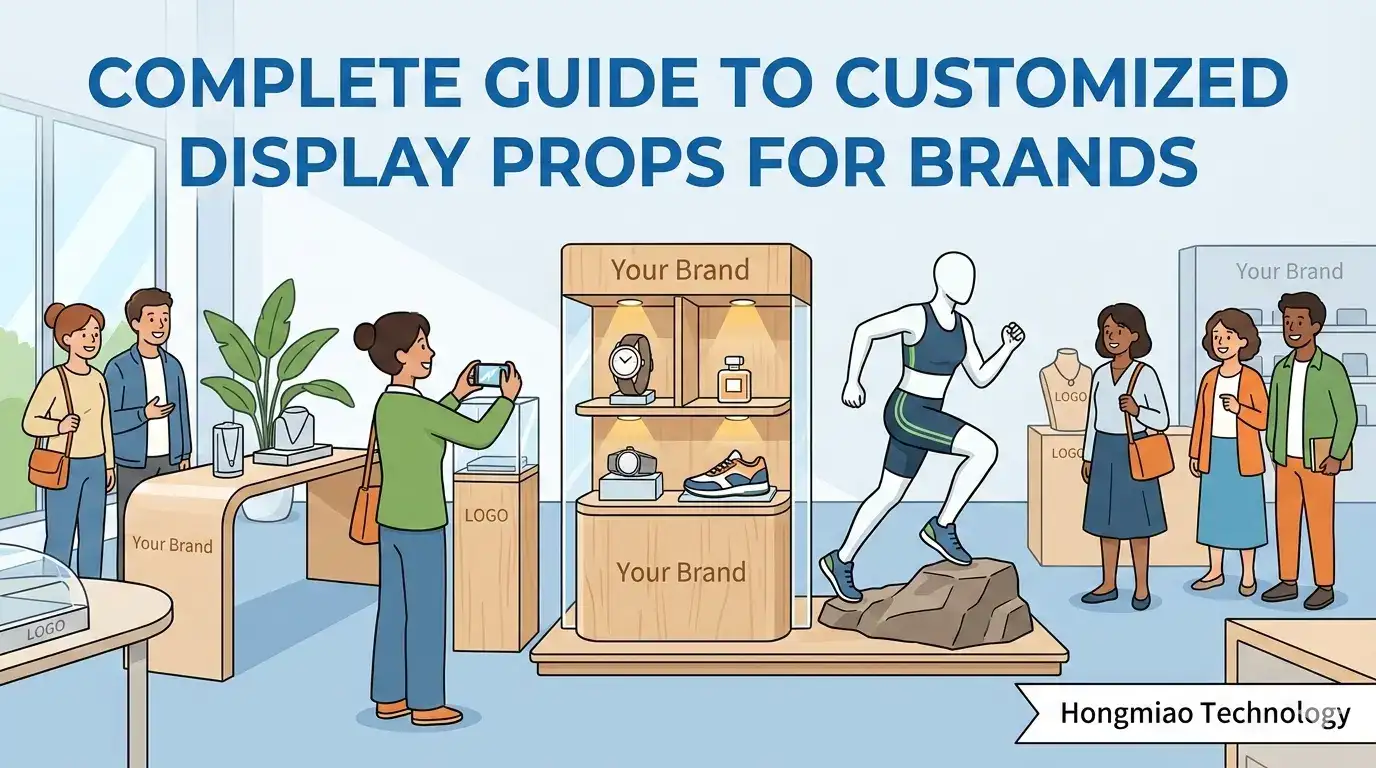
Customized display props are special tools that brands use to show their products in a store. These are not just any normal shelves or tables. They are made specifically for one brand. Think of them as a stage for a product. When a brand wants to sell something, they need it to look great. Custom props help with this because they fit the product perfectly. Every brand has a different story. Some brands are for sports and some are for luxury jewelry. A sports brand needs props that look active and strong. A jewelry brand needs props that look elegant and shiny.
This guide will help you understand how these props work. We will look at why they are important for modern retail. We will also talk about how they help people notice a brand online and in person. Using custom props is a smart way to grow a business because it makes the shopping experience better for everyone. By the end of this guide, you will know everything about choosing the right props for a brand.
01. What Are Customized Display Props And Why Use Them?
Customized display props are items made to hold or show off products in a unique way. Imagine you walk into a store and see a shoe sitting on a plain wooden box. Now imagine seeing that same shoe on a glowing stand that looks like a mountain peak. The mountain peak is a custom prop. It tells a story about the shoe. Brands use these props because they want to be different. In a big mall, there are many stores. If every store looks the same, customers get bored. Custom props stop people from walking past. They make people stop and look. This is why they are so useful. They turn a simple product into a piece of art. When a brand uses custom props, it shows that they care about quality. It also helps the customer understand what the brand is all about without reading a single word.
1.1. Defining The Role Of Custom Props In Modern Retail
In modern retail, the main job of a custom prop is to create an environment. It is not just about holding an item. It is about making a mood. In the past, stores just used metal racks. Today, retail is very competitive. Stores have to compete with websites. This means a physical store must offer something a website cannot. That something is a physical feeling. Custom props provide this feeling. They help guide the customer through the store.
For example, a large custom prop at the front of a store acts like a sign. It tells the customer where the most important items are. These props also help organize the space. They make the store look neat and professional. A well-placed prop can lead a customer from one section to another. This makes the shopping journey smooth and fun.
1.2. How Customization Helps Your Brand Stand Out Online
You might think display props are only for physical stores, but they help online too. Many people take photos of cool store displays. They share these photos on social media like Instagram or Pinterest. When a brand has a unique custom prop, it becomes "instagrammable." This means people want to take a picture with it. When they post that photo, their friends see the brand. This is free advertising. Also, brands use these props for their own professional photoshoots.
High-quality custom props make website photos look much better. Instead of a flat white background, a product on a custom stand looks expensive. It creates a strong visual identity. If a customer sees the same unique prop online and then in a store, they recognize the brand immediately. This building of recognition is a very powerful tool for any business.
1.3. Moving From Generic Store Fixtures To Custom Props
Generic store fixtures are the standard shelves you see in every basic shop. They are usually made of cheap metal or plastic. They are okay for holding things, but they do not help a brand grow. Moving to custom props is a big step up. It is like moving from a plain uniform to a tailor-made suit.
Custom props are built to fit the exact size of the product. If a brand sells a very long bottle, a generic shelf might be too short. A custom prop will be exactly the right height. This prevents accidents and makes the display look intentional. When a store switches to custom props, the whole atmosphere changes. It starts to feel like a premium space. Customers notice this change. They are often willing to pay more for products in a store that looks high-end. Customization shows that the brand is established and successful.
02. Understanding The Difference In Prop Customization
Not all customization is the same. Some props are just standard items with a logo added. Others are built from scratch. It is important to know the difference so you can choose what is best for your needs. Simple customization is fast and cheaper. Deep customization takes more time but gives a better result.
When we talk about customization, we are talking about shapes, colors, and materials. A brand might want a prop made of recycled wood to show they love nature. Another brand might want shiny chrome to look futuristic. These choices matter because they send a message to the customer. Understanding these differences helps a business owner spend their money wisely.
2.1. Comparing Standard Displays With Tailor Made Props
Standard displays are made in huge factories for thousands of different stores. They are built to be "good enough" for everyone. This means they are not "perfect" for anyone. Tailor-made props are different. They are designed for one specific product line.
Let us compare them. A standard display might have three shelves that do not move. A tailor-made prop might have adjustable parts or special lighting built inside. Standard displays often use thin materials that break easily. Tailor-made props use strong materials like thick acrylic, solid wood, or heavy metal. The finish on a tailor-made prop is also much smoother. You won't see rough edges or messy glue. While standard displays are easy to get, they make a brand look like everyone else. Tailor-made props make a brand look like a leader.
2.2. Why One Size Fits All Displays Fail In B2B Markets
In B2B (Business to Business) markets, things are very professional. Companies sell to other companies. If a company shows its products on a "one size fits all" display, it looks lazy. Other business owners will think the product is also generic. In B2B, products are often complex. They might have many parts or be very heavy. A generic display might not be strong enough. Or it might hide important features of the product. Custom props allow a B2B brand to highlight the technical parts of what they sell.
For example, a company selling industrial valves needs a prop that lets people see inside the valve. A standard shelf cannot do that. Custom props solve these specific problems. They show that the seller understands their own product perfectly. This builds trust between the two businesses.
2.3. How Unique Visuals Drive More Organic Store Visits
Organic store visits happen when people walk in because they are curious. They did not see an ad; they just liked what they saw through the window. Unique visuals are the best way to get these visitors. For example, a custom window display props act like a magnet. If the prop is moving, glowing, or has a strange shape, people will stop. Once they stop, they look at the product. If they like the product, they walk inside. This is how custom props increase foot traffic. You do not have to spend money on flyers if your store window is exciting.
A generic store with white walls and metal racks does not invite people in. But a store with a giant, custom-made tree as a hat rack will get people talking. This word-of-mouth brings even more visitors without any extra work from the brand.
03. Main Types Of Customized Display Props For Retail
Retail stores use many different kinds of custom props. Each type has a specific job. Some are made to stand on the floor while others sit on a counter. The material used for these props can be anything from plastic to glass or even fabric. When a brand chooses a type of prop, they think about their product first. A heavy product needs a strong base. A small product needs to be brought closer to the eyes of the customer. Customization allows a brand to change the size and shape of these props. This ensures the product fits perfectly and does not fall over. Let us look at the most common types of custom props used today.
3.1. Custom Mannequins Designed For Specific Brand Sizes
Mannequins are the human-like figures you see in clothing stores. Most stores use standard mannequins that all look the same. But custom mannequins are different. A brand can ask for a mannequin that represents their specific customers.
For example, a sports brand might want mannequins that look like they are running or jumping. A brand that sells plus-size clothes needs mannequins that show how the clothes look on real bodies. Custom mannequins can also have different colors or textures. Some brands use shiny gold mannequins to look luxury. Others use matte black for a modern look. When a mannequin fits the brand’s style, it helps the customer imagine themselves wearing the clothes. This makes them more likely to buy the item.
3.2. Bespoke Counter Displays For Unique Product Shapes
Counter displays are the small stands you see near the cash register. These are very important because they catch the eye while people are waiting to pay. Bespoke means it is made to order. Many products have strange shapes that do not fit on flat shelves.
For example, a bottle of perfume might be round or a pair of sunglasses might be wide. A bespoke counter display is carved or molded to fit that exact shape. This keeps the product safe and makes it look very special. These displays often have small lights or mirrors to make the product shine. Because they are custom, they can also have the brand’s logo carved into the material. This reminds the customer of the brand name right at the moment they are spending money.
3.3. Customized Window Display Themes For Seasonal Sales
The window of a store is like its face. It is the first thing people see. During seasonal sales like winter or summer, stores change their windows. Custom props make these windows much more exciting. Instead of just hanging a "Sale" sign, a brand can use custom props to create a scene. For a winter sale, they might use custom-made ice blocks and snow-covered trees. These props are built to fit the exact window size of that store. Because they are custom, they can be made to look very realistic or very artistic. A good window display tells a story. It makes people stop their walk and look. When a window looks like a movie scene, it builds a lot of interest in the brand.
3.4. Tailored Pedestals And Stands For Luxury Products
Luxury products like expensive watches or jewelry need to be treated with respect. You cannot just put a thousand-dollar watch on a cheap plastic shelf. Tailored pedestals are tall stands that hold one single item. They act like a pedestal for a statue in a museum. These stands are usually made of high-quality materials like marble, velvet, or polished metal. The height of the pedestal is tailored to be exactly at the average person’s eye level. This makes it easy for the customer to see the details of the product without leaning down. Custom stands also include security features like thick glass covers and built-in alarms. They make the product look rare and valuable.
3.5. Interactive Custom Props With Digital Integrations
Today, many custom props use technology. These are called interactive props. A brand might have a custom stand that has a tablet or a touch screen built into it. When a customer picks up a product, the screen starts showing a video about how that product was made. This is a very powerful way to talk to the customer. Customization is key here because the screen and the wires must be hidden inside the prop. It should look clean and professional. Some props even use sensors.
For example, if you walk near a custom perfume stand, it might spray a little bit of scent automatically. These digital integrations make the shopping trip fun and memorable. It feels like the store is talking to the customer.
04. Amazing Benefits Of Using Customized Display Props
Using custom props is an investment. It costs more than buying standard items, but the benefits are huge. It is not just about looking good. It is about making more money and building a stronger brand. When a brand uses custom props, they are taking control of how people see them. They are not leaving it to chance. These props help in many ways, from saving space to making the brand easy to remember. Every business wants to be successful, and custom props are a secret tool used by the world’s biggest companies.
4.1. Improving Brand Recognition With Custom Logo Props
Brand recognition means that people know who you are just by looking at a color or a shape. Custom props are a great way to build this. You can make props in the exact colors of your brand. You can also have your logo printed or carved into every single stand. When a customer sees the same logo and colors on every prop, their brain starts to remember it. This is why big soda companies use specific red or blue coolers in every shop. It is a custom prop that tells you exactly what is inside. Over time, the customer does not even need to read the name. They just see the custom prop and they know the brand. This makes your brand stay in their mind for a long time.
4.2. Increasing Product Visibility Through Unique Design
Visibility means how easy it is to see something. In a crowded store, many products get lost. They are hidden behind other things or sit in dark corners. Custom props solve this by using unique designs. A prop can be made to be taller than the things around it. It can have a strange shape that catches the eye. It can also have built-in LED lights that make the product glow. When a product is visible, it gets touched more. When it is touched more, it gets bought more. Unique design is like a "loud voice" for a product. It tells the customer, "Look at me first!" This is very important for new products that people do not know about yet.
4.3. How Custom Props Create A Memorable Shopping Journey
Shopping should be an experience, not a chore. Custom props help make it an experience. When a store has beautiful and interesting props, the customer feels happy. They enjoy walking around and looking at the displays. This is called the "shopping journey." If the journey is good, the customer will stay longer in the store. The longer they stay, the more likely they are to find something they want to buy. Also, a memorable journey makes them want to come back. They will tell their friends about the "cool store with the amazing displays." This creates a loyal group of customers who support the brand.
4.4. Long Term Cost Savings Of Durable Custom Materials
Some people think custom props are too expensive. But in the long run, they can save money. Cheap, standard props break easily. They get scratched and look old after just a few months. Then the store has to buy new ones. Custom props are usually made from very durable materials. They are built to last for years. Because they are made specifically for the brand, they do not go out of style quickly.
A high-quality wooden or metal prop can be repainted or cleaned to look brand new again. This means the brand does not have to keep spending money on replacements. It is better to buy one great prop than ten cheap ones.
4.5. Better Use Of Floor Space With Custom Size Displays
Every square inch of a store costs money. Rent is expensive. This means you must use your floor space very carefully. Standard displays are often bulky. They might be too wide or too deep for your store layout. This wastes space where you could put more products. Custom props are made to fit your specific floor plan. If you have a narrow corner, you can make a tall, thin custom prop to fit there. This allows you to show more products in a small area. Customization also allows for "multi-level" displays. This means you can show products at different heights on the same stand. It makes the store look full and organized without being crowded.
05. How To Find A Reliable Custom Display Prop Vendor
Finding the right person or company to make your props is a very big task. You cannot just give this job to anyone. A custom prop vendor is like a partner for your business. If they do a bad job, your store will look bad. If they do a great job, your brand will shine. You need to look for someone who has experience and the right tools. Making a custom prop is harder than making a standard one. It requires special machines and skilled workers. You should not just look for the cheapest price. Often, the cheapest vendor uses bad materials that break quickly. You want a vendor who communicates well and understands your vision.
5.1. Evaluating The Portfolio Of Custom Prop Fabricators
A portfolio is a collection of work that a vendor has done in the past. It is like a gallery of their best projects. When you look at a portfolio, you should check for variety. Have they made props for different kinds of brands? If they only make wooden boxes, they might not be good at making shiny metal stands. You should look for photos of the finished products in real stores. This shows you how the props look under store lights. Pay attention to the details. Are the edges smooth? Does the paint look even? If the photos in the portfolio look messy, the work they do for you will also be messy. A good vendor will be proud to show you their past work and explain how they solved problems for other clients.
5.2. Checking Material Quality Standards For Custom Work
The material is the most important part of a durable prop. You must ask the vendor what kind of wood, metal, or plastic they use. For example, not all acrylic is the same. Some cheap acrylic turns yellow after a few months. You want high-quality acrylic that stays clear like glass. If you are using wood, ask if it is solid wood or just thin plywood. Solid wood is much stronger and looks better.
For metal props, check if they are powder-coated. This is a special kind of paint that does not scratch easily. A reliable vendor will be honest about the materials. They should give you samples that you can touch and feel. If the material feels light and flimsy, it will not last long in a busy store where many people touch it.
5.3. Understanding Mass Production vs Small Batch Custom
There are two main ways to make custom props. Mass production is when the vendor makes hundreds or thousands of the same custom design. This is good for big brands with many stores. It is cheaper per item, but it takes more time to set up the machines. Small batch custom is when you only need five or ten items. This is great for boutique stores or special events.
Small batch work is often done by hand or with smaller machines. It is more expensive per item, but the quality is usually very high. You need to know which one your brand needs. If you are a small brand, you don't want to pay for mass production. A good vendor should be able to tell you which method is best for your budget and your timeline.
06. Essential Checklist For Bulk Custom Prop Orders
Ordering in bulk means buying a large number of items at once. This is a serious commitment. You are spending a lot of money, so you need a checklist to make sure nothing goes wrong. When you order one prop, it is easy to fix a mistake. When you order five hundred, a small mistake becomes a huge disaster. A checklist helps you stay organized. It ensures that the vendor knows exactly what you want. It also helps you track the progress of the order. You should never start a bulk order without a written agreement and a clear plan.
6.1. Setting Clear Design Specifications For Your Order
Design specifications are the "rules" for how the prop should look and function. You need to provide exact measurements. Do not just say "make it big." Give the exact height, width, and depth in centimeters or inches. You also need to specify the colors. Use professional color codes like Pantone so there is no confusion. Mention the weight the prop needs to hold. If the prop is for a heavy bottle, the vendor needs to know so they can make the base stronger. If you forget to tell them, the prop might break under the weight. Write down every single detail, including where the logo goes and how bright the lights should be. The more information you give, the less chance there is for a mistake.
6.2. Confirming Turnaround Times For Tailor Made Designs
Turnaround time is how long it takes from the day you pay to the day the props arrive. Custom work takes time. You cannot expect a tailor-made prop to be ready in two days. It usually takes several weeks. You must ask the vendor for a clear schedule. When will the first sample be ready? When will the main production start? When will they ship the items? This is very important if you have a store opening date. If the props are late, your store will be empty. Always add a little bit of extra time to the schedule just in case there is a delay. A professional vendor will give you a realistic date and keep you updated if anything changes.
6.3. Reviewing Shipping Safety For Fragile Custom Props
Many custom props are fragile. They might have glass, thin plastic, or delicate electronic parts. Shipping them is risky. You need to ask the vendor how they pack the items. They should use strong boxes and plenty of foam or bubble wrap. For very large or expensive props, they might need to build wooden crates. This costs more money, but it is better than receiving a broken prop. You should also talk about insurance. If the props break during shipping, who pays for the fix? A good vendor will have a plan for safe shipping and will help you if something gets damaged on the way to your store.
07. Measuring The ROI Of Your Customized Display Props
ROI stands for "Return on Investment." When a brand spends money on custom props, they want to see how much profit they get back. This is not just about looks; it is a business decision. After installing custom props, a brand should check what changed in the store. If sales are going up and people are staying longer, the ROI is good. There are specific ways to measure this success.
7.1. Tracking Customer Inquiries From Unique Prop Layouts
When you put out a very strange or beautiful display, people ask questions. They go to the sales team and ask "What is this?" or "How does this work?" You must track these questions. If five people asked questions before and fifty people ask now, the prop did its job. It means people are interested in the product. These questions often turn into sales later. This is a big proof that your display is working well.
7.2. Analyzing Foot Traffic Changes After Custom Installs
Foot traffic means how many people are walking into your store. Custom props are often used in windows to pull people inside. You can check how many people came in before the new props and how many come in now. If your custom display is something people see from outside and it makes them enter, the ROI is very high. More people in the store means a better chance to sell products.
7.3. How High Quality Props Reduce Future Marketing Costs
Custom props might seem expensive at first, but they save money later. How? When your store is beautiful, people take photos and post them on social media. This means you do not have to spend as much on ads. People are doing the marketing for you. Also, high-quality props last for many years. You do not have to buy new stands every month. This one-time cost keeps giving you benefits for a long time, and your marketing budget stays safe.
The Final Summary
In the future, customization will be even more important. Selling a product is not enough anymore. You must give the customer a great environment. In the coming years, we will see more technology in custom props. People will like displays that talk to them or change based on what they like. But one thing will always stay the same. The human brain always looks for things that are different and pretty.
Brands that invest in custom props today will be the leaders of tomorrow. They are not just selling items; they are building an identity. Customized display props are the way a brand tells its story. If you want your brand to stay in the hearts of people, you must show them something they have never seen before. Customization is the path that turns a normal shop into a famous brand.
Ready To Transform Your Store With Custom Props?
Creating a unique brand identity is the most important step for any business today. If you want your products to stand out and attract more customers, you need high-quality customized display props. Standard shelves are not enough anymore. Your brand deserves a stage that tells its story and makes people stop and look. This is where professional expertise makes a difference and helps you grow.
Hongmiao Technology specializes in creating these amazing custom solutions for brands all over the world. Whether you need custom mannequins or luxury pedestals, they have the tools to help you. They understand that every brand is different. They work hard to make sure your vision comes to life with the best materials. Contact us today to start your journey toward a better store layout and higher sales.
Explore More Guides On Retail Displays
1. Display Props for Retail Stores: Types, Benefits, Uses, Selection & Ideas
Featured Articles
In today’s fast-paced B2B retail landscape, commercial neon signs have transformed from basic lighting into ess...
READ FULLA neon sign is a bright, hand-crafted light display that uses gla...
READ FULLBuying high volumes of custom signage for a business or a large-scale project can feel overwhelming. Many buyers worr...
READ FULL