




How the Neon Signage Supply Chain Actually Works
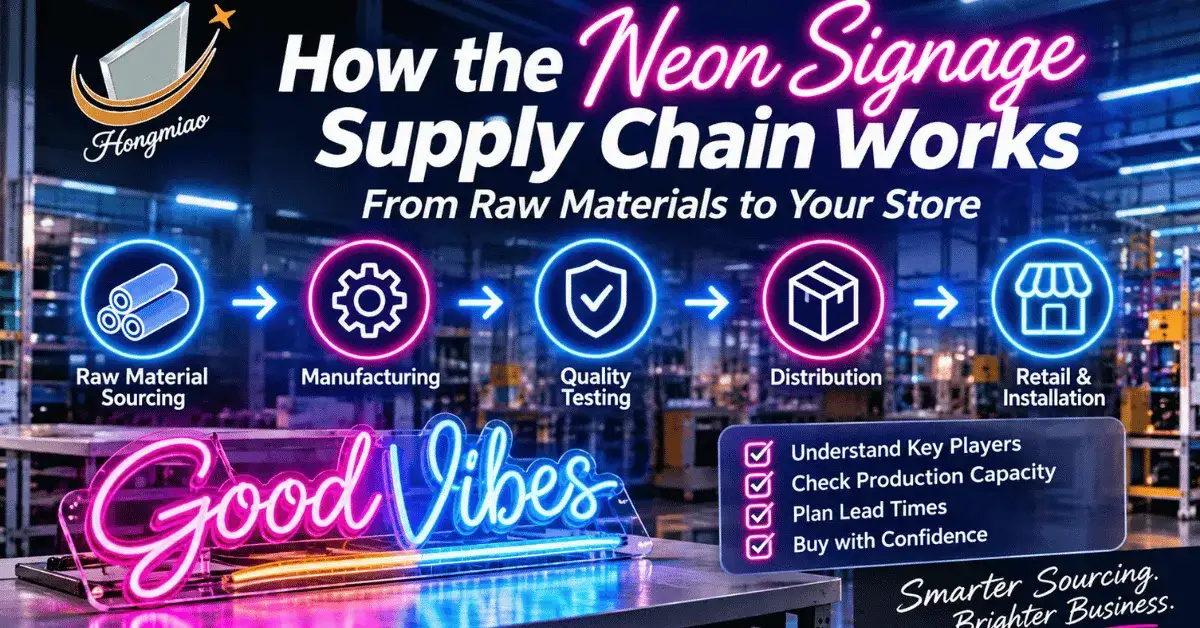
Searching for neon signs online often brings up dozens of sellers advertising neon sign wholesale prices. However, it is not always clear who actually manufactures these products and who supplies them. The delivery process is also difficult to confirm in many cases. Some sellers operate factories, while others purchase finished signs from manufacturers and resell them through distribution networks.
Understanding the way the supply chain works helps signage buyers identify where their money is going and who is responsible for product quality and delivery. This guide explains how the neon signage supply chain works, from raw material sourcing to final installation, so buyers like you can make more informed purchasing decisions.
What Is the Neon Signage Supply Chain Exactly?
The neon signage supply chain is the complete sequence of stages a neon sign passes through before reaching a retailer, business, or end customer. It includes raw material sourcing, manufacturing, quality testing, distribution, and final delivery.
Each stage involves different businesses and responsibilities. For example, a manufacturer produces the sign, while a distributor purchases finished products and supplies them to other businesses.
This distinction matters because neon sign wholesale generally refers to the distribution and bulk purchasing stage, not the beginning of the manufacturing process. A wholesale seller may manufacture signs directly or source them from another company.
Who Are the Key Players in the Supply Chain?
Several businesses can participate in the neon signage supply chain. Understanding their roles helps buyers determine who they are dealing with and where to direct questions about specifications, pricing, and delivery.
Raw Material Suppliers
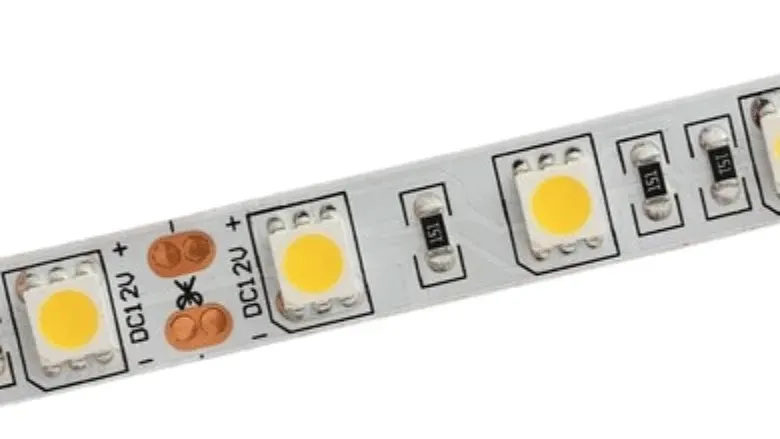
These businesses provide the materials required for sign production, such as LED components, acrylic sheets, electrical wiring, power supplies, mounting hardware, and other components.
Neon Sign Manufacturers
Manufacturers own factories and manufacturing facilities that convert raw materials into the finished neon sign. Their expertise covers design preparation, fabrication, assembly, and product testing.
Wholesalers
Wholesalers purchase neon signs in bulk quantities and resell them to retailers or other commercial buyers.
Distributors
Distributors are another type of buyer that purchases products from manufacturers and manages their supply to different markets. They maintain inventory and coordinate shipping as well.
Retailers and Resellers
These businesses sell neon signs directly to individual customers or smaller commercial buyers. They may purchase products from wholesalers or distributors. Many retailers then use these signs to blend neon signage with their window displays and attract more foot traffic.
Installation and Service Providers
These businesses handle the physical installation, electrical connections where applicable, maintenance, and repairs.
Why Does It Matter Which Player You're Buying From?
The type of supplier affects the buyer's purchasing experience. Buying directly from a manufacturer's factory means better information about product details. The manufacturer will be able to explain everything from customization options to factory pricing. However, there is a downside to this as well. The buyer will need to manage larger minimum order quantities or coordinate international shipping themselves. A distributor or reseller may offer easier ordering, smaller quantities, and locally available inventory. The trade-off can be additional costs and less direct communication with the production team.
Therefore, the buyer should identify the supplier's actual role before requesting a quotation. Otherwise, comparing prices from different supply chain participants may produce misleading results. Not every supply chain includes all these participants as separate companies. A factory can handle the entire production cycle from design, production, to quality testing, and distribution in-house. Similarly, some distributors offer delivery and installation services through their external partners.
Supply Chain Breakdown
|
Supply Chain Stage |
Main Activities |
Responsible Party |
|
Raw Material Sourcing |
Purchasing LED components, acrylic, wiring, power supplies, and mounting materials |
Material suppliers |
|
Design and Planning |
Preparing sign layouts, dimensions, colors, and production specifications |
Manufacturer or design team |
|
Manufacturing |
Cutting materials, shaping components, assembling, and wiring the sign |
Neon sign manufacturer |
|
Quality Testing |
Checking lighting performance, electrical connections, construction, and finishing |
Manufacturer or quality control team |
|
Distribution |
Purchasing finished signs, managing inventory, and arranging bulk supply |
Wholesalers and distributors |
|
Retail or Commercial Supply |
Selling or supplying signs to businesses, contractors, and other buyers |
Retailers and resellers |
|
Delivery and Installation |
Shipping products to the destination and arranging installation where required |
Logistics and installation providers |
How Does a Neon Sign Move From Factory to Final Buyer?
Although supply arrangements differ between suppliers, the general process of neon sign production and delivery remains similar.
1. Raw Materials Are Purchased
The manufacturer sources the components required for sign production. The two main factors that raise production costs are material availability and quality. Quality can also impact lead times, as premium quality takes longer to produce.
2. The Sign Is Designed and Manufactured
In this stage, the sign manufacturer prepares the design according to the buyer's specifications. Once the design is approved, production begins. The manufacturing process involves cutting acrylic, arranging LED components, assembling the sign, and completing electrical connections. The same process applies whether the order is a simple static logo or animated dynamic neon signs with multiple lighting effects.
3. Quality Checks Are Completed

Before dispatch, the neon sign manufacturer does a quality inspection of the produced batch to confirm the sign meets the agreed buyer specifications. Inspection usually involves doing multiple tests on the product to check functionality. This may include lighting tests, wiring inspections, and checks for physical defects.
4. The Finished Product Enters Distribution
The manufacturer has two options for distribution. Either they sell the completed signs directly to the buyer as per the agreement. An alternative way is to supply these to a wholesaler or distributor. The intermediary stores the signs before reselling them.
5. The Product Reaches the Final Buyer
In the final stage, the neon sign is packed and shipped to the retailer or business that placed the order. If installation is included in the agreement, an installation provider completes the remaining work. This installer can be an external company or the installing team of the manufacturer itself.
For bulk electronic sign purchasers, understanding these steps helps identify where delays might occur and which party is responsible for resolving them.
What Role Does "Wholesale" Actually Play in This Chain?
Wholesale refers to purchasing neon signage in larger quantities for resale or commercial use. It describes a purchasing arrangement rather than a specific type of company. For example, a retailer may purchase 100 neon signs from a manufacturer or distributor instead of ordering individual units as needed. The supplier may offer tiered pricing, where the per-unit price falls as the order quantity increases. However, wholesale does not automatically mean factory-direct purchasing.
A wholesaler may buy from a manufacturer and add its own markup before reselling the products. In contrast, factory-direct wholesale allows the buyer to purchase from the manufacturer without paying a separate distributor markup. If a buyer wants savings on large orders, they might prefer factory-direct rates rather than purchasing from a wholesaler. But to make the correct purchasing decision, add-on costs like shipping expenses, import duties, and testing costs also need to be considered to confirm which option offers better overall value.
Why Do Some Neon Sign Supply Chains Have More Steps Than Others?
Not every neon sign follows the same route from production to delivery. Several factors determine how many businesses participate in the process.
Geographical Distance
International orders involve multiple middlemen such as exporters, importers, customs agents, and local distributors. This adds more stages before the sign reaches the buyer.
Order Quantity
Large buyers purchase directly from manufacturers. Hence, the delivery is direct. In contrast, smaller signage buyers often depend on retailers or local resellers, which adds an additional step in delivery.
Product Customization
Custom neon signs require additional design approvals, which makes the ordering process lengthier. Tailor-made signs also need unique materials, so there are additional stages needed for material sourcing as well.
Supplier Capabilities
Some sign manufacturers manage production, packaging, and shipping in-house, so fewer separate businesses are involved. Others outsource these functions, which adds more participants to the chain.
Distribution Strategy
Some sign manufacturers sell directly to commercial customers such as bars, clubs, and restaurants, which often source neon signage together with LED bar lights and bottle displays, while others rely on regional distributors to reach different markets. Those who depend on multiple middlemen have a supply chain with more steps.
These differences explain why two buyers ordering similar neon signs receive different quotations and delivery estimates.
How Does Understanding This Chain Help You as a Buyer?

Knowing how the supply chain operates gives buyers better control over sourcing decisions. It also reduces the risk of paying unnecessary costs or dealing with suppliers who cannot meet order requirements.
A buyer should:
- Identify the actual supplier. Confirm whether the seller is a manufacturer, wholesaler, distributor, or reseller.
- Understand the pricing structure. Ask whether the quotation includes manufacturing, packaging, shipping, and other charges.
- Verify production capabilities. The best approach is to request information about manufacturing facilities, customization options, and production capacity of the supplier.
- Clarify quality responsibilities. Establish who conducts inspections and handles defective or damaged products.
- Confirm delivery arrangements. This involves checking production lead times. The buyer should also confirm which party bears responsibility for customs clearance of the bulk order.
- Compare suppliers fairly. Evaluate quotations based on identical specifications, quantities, and delivery terms.
These checks make supplier comparisons more accurate so the risk of unexpected costs is reduced once an order has been placed.
Conclusion
The neon signage supply chain involves several distinct stages. This includes material sourcing and manufacturing, and then distribution and final delivery. Having a comprehensive understanding of these phases helps buyers identify their suppliers. It also helps in evaluating price quotations accurately so the buyer knows precisely where additional costs enter the purchasing process. For bulk neon sign purchasers, buying directly from the manufacturer often reduces intermediary markups and provides greater control over product specifications. However, factory-direct sourcing is not automatically the most suitable option for every order. The priority should be to understand who is supplying the product. What part of the supply chain responsibilities they are handling, and whether their capabilities match the order requirements. A clear view of the supply chain makes procurement more predictable and helps buyers avoid unnecessary costs, communication problems, and delivery delays. If you want to verify a manufacturer’s capabilities before placing a bulk order, you can request a factory quotation with your exact specifications.
Frequently Asked Questions
What Is the Neon Signage Supply Chain?
The neon signage supply chain is the complete process through which a sign moves from raw material sourcing to final delivery. It includes multiple stakeholders like manufacturers, material suppliers, wholesalers, logistics providers, etc. Each participant performs a specific function before the finished sign reaches its final buyer. To learn more about sign types and uses, see our guide to neon signs and their applications.
What's the Difference Between a Neon Sign Manufacturer and a Distributor?
A manufacturer sources materials, produces the signs, and tests the finished products. A distributor purchases completed signs from manufacturers and supplies them to other businesses or retailers. Some manufacturers also distribute their own products.
Why Do Neon Sign Prices Vary So Much Between Sellers?
Neon sign prices vary because of differences in material quality, design complexity, the choice between LED and traditional neon signs, and manufacturing costs. Customization adds to production costs, while shipping and local distribution expenses are added after production. Comparing suppliers requires checking identical product specifications and delivery terms rather than focusing only on the advertised unit price.
How Long Does It Take for a Neon Sign to Go From Order to Delivery?
Delivery time is affected by product availability, customization requirements, production capacity, order quantity, and shipping distance. Ready-made signs may ship relatively quickly. But custom bulk orders require additional production time. International shipments may also involve customs clearance. Buyers should request a written production and delivery schedule before confirming an order.
Is it Better to Buy Neon Signs Factory-Direct or Through a Distributor?
Factory-direct purchasing offers lower unit prices. They also provide more options for customization. The buyer has direct communication with the production team. Distributors provide smaller order quantities, local inventory, and faster delivery. The better option depends on the buyer's order volume, budget, delivery requirements, and need for ongoing supplier support.
Featured Articles
Searching for neon signs online often brings up dozens of sellers advertising ...
READ FULLA supplier may confidently accept an order for 500 or 1,000 neon signs. But in actuality, can the factory actually ha...
READ FULLNeon sign artwork preparation is how you turn a design into a file a factory can bend, cut, and wire without guessing...
READ FULL