




The Complete Guide to Neon Signs: Introduction, Types, Applications, and Advantages
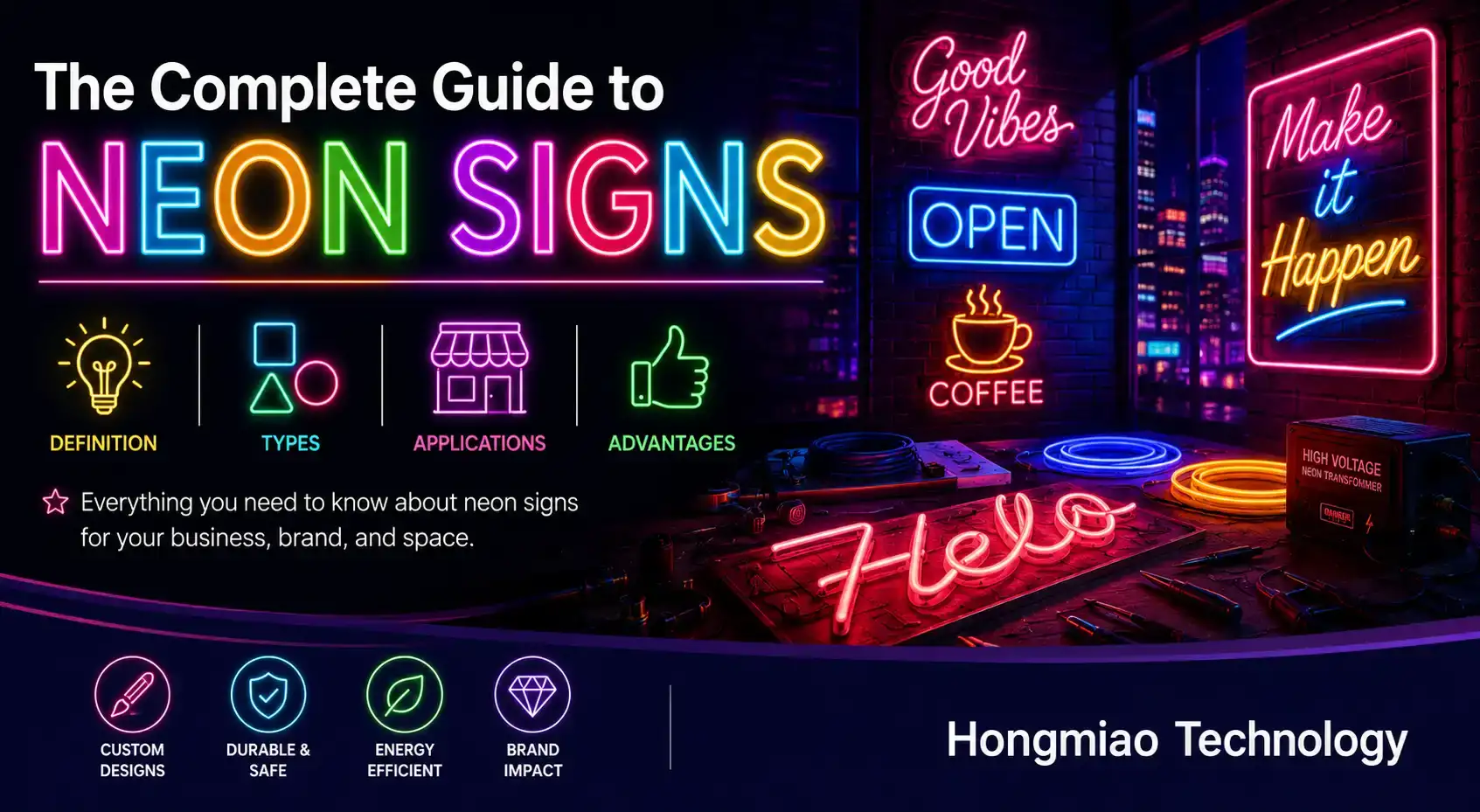
A neon sign is a bright, hand-crafted light display that uses glass tubes filled with gas to create glowing letters, shapes, and designs. When high-voltage electricity passes through the gas inside the tube, the gas glows with a warm, eye-catching light. Businesses, bars, and homes use these signs to grab attention, build brand identity, and create a welcoming atmosphere. From traditional glass tubes to modern flexible light strips, neon technology continues to be one of the most reliable and beautiful forms of visual communication.
These signs work because of simple science and careful craftsmanship. Glassmakers bend hollow glass tubes into custom shapes, seal them, and fill them with pure inert gases. When the power turns on, the electric current excites the gas atoms, making them release light energy. Modern updates have also brought us flexible, solid-state designs that copy this classic look. This guide explains the exact components, different styles, real-world uses, and key benefits of these iconic lighting systems.
01. Introduction to Neon Signs
A neon sign is an electrical display that glows because of a gas discharge process inside sealed glass tubes. The history of this technology goes back to the late 1800s. Scientists discovered rare gases that exist in our atmosphere, like neon and argon. In 1910, a French inventor named Georges Claude showed the very first neon lamp to the public in Paris. He realized that bending glass tubes filled with these gases could create bright, readable signs. Soon, businesses all over the world started using them to light up streets at night.
The science behind this glow is quite simple. A sign consists of a sealed glass tube with metal pieces called electrodes at both ends. Inside the tube, the air is sucked out, and a small amount of pure inert gas is pumped in. When you connect the sign to a high-voltage power source, electricity flows into the tube. This electricity knocks electrons off the gas atoms. When these electrons return to their normal state, they release energy in the form of bright, visible light.
Today, the term neon sign covers two main styles. First, we have classic glass neon, which uses hand-bent glass and real gas. Second, we have modern LED flex neon, which uses flexible plastic strips packed with tiny light-emitting diodes. Both styles serve the same purpose. They help brands stand out, add style to rooms, and guide customers inside. This guide covers everything you need to know about these lights, from their basic parts to their main benefits.
💡 Commercial Buying Tip
For businesses looking to purchase commercial lighting in large quantities, finding a reliable partner who offers custom neon sign wholesale deals is key. Wholesale ordering allows brands, event planners, and retailers to secure highly durable signs at the lowest unit cost while maintaining consistent design and safety standards across all locations.
02. Essential Components of Neon Signs
To understand how these glowing displays work, we must look at the specific parts that go into making them. Every single piece plays a major role in safety, color, and brightness.

2.1. Glass Tubing
The body of a traditional sign is made of hollow glass tubes. Glass artisans use special torches to heat the glass until it becomes soft. While it is hot, they carefully bend the glass by hand to match a drawn pattern. They must keep the tube's diameter uniform so the gas glows evenly. These tubes come in different thicknesses, usually ranging from 8mm to 15mm. Thinner tubes allow for tight bends and detailed letters, while thicker tubes are great for large, bright outdoor displays.
2.2. Inert Gases (Neon, Argon, Helium, Xenon, Krypton)
The gas inside the tube decides the primary color of the light. These are called inert or noble gases because they do not react with other chemicals:
- Neon Gas: This gas gives off a bright, fiery red-orange light. It is the most famous gas used in these signs.
- Argon Gas: This gas produces a soft, pale blue light. To make it brighter, makers often add a tiny drop of mercury.
- Helium Gas: This gas creates a warm white or pinkish-gold glow, though it is used less often today.
- Xenon Gas: This gas emits a deep, cool violet-blue light.
- Krypton Gas: This gas glows with a soft green or white-silver light.
2.3. Phosphor Coating (for colored effects)
While gases give us basic red and blue, we can get dozens of other colors using phosphor coatings. Makers coat the inside of the glass tube with special mineral powders called phosphors. When the gas inside glows, it releases ultraviolet light. This invisible light hits the phosphor powder, making it glow in colors like green, yellow, pink, white, or turquoise. By combining different gases with colored glass and different phosphor powders, artisans can create over a hundred unique shades.
2.4. Electrodes (Cathode and Anode)
At each end of the glass tube, there is a glass-to-metal seal containing a metal electrode. One acts as the cathode and the other as the anode. These electrodes pass high-voltage electricity from the external wires directly into the gas inside the tube. They are made of tough metals like iron or nickel to handle the heat of the electrical current without melting.
2.5. High-Voltage Transformer
Standard wall outlets only provide 120 or 240 volts, which is not enough to start the glow process in a long gas tube. A specialized transformer steps up this low voltage to a high voltage, usually between 2,000 and 15,000 volts. Once the gas lights up, the transformer lowers the electrical current so the sign stays lit safely without overheating the glass or the electrodes.
2.6. GTO Cable (Gas Tube Sign Wire)
Standard electrical wire cannot handle the high voltages produced by the transformer. Because of this, installers use GTO cable, which stands for Gas Tube Out. This wire has very thick silicone or plastic insulation. This heavy insulation prevents the high-voltage electricity from jumping out of the wire, which protects people from shocks and stops electrical fires.
2.7. Glass Support Stands / Standoffs
Glass tubes are delicate and cannot rest directly against a hard backing. Installers mount the bent glass tubes onto small glass or clear plastic posts called standoffs. These stands keep the hot, high-voltage glass tubes about an inch away from the backing material, which protects the sign and makes it look like it is floating in the air.
2.8. Electrode Boots (Insulators)
At the ends of the glass tubes, where the wires connect to the metal electrodes, there are exposed electrical parts. To make these connections safe, makers slide thick rubber or silicone sleeves, called electrode boots, over the connections. These boots keep moisture, dust, and human fingers away from the high-voltage connection points.
2.9. Tube Supports and Tie Wire
To hold the glass tubes firmly on the standoffs, makers use thin, strong wire called tie wire. This wire wraps around the glass tube and ties it tightly to the top of the support stand. This stops the glass from rattling, sliding, or breaking when wind blows or when people move the sign.
2.10. Mounting Backing (Acrylic, Metal, or Wood)
Every neon tube needs a strong backing to keep its shape and make installation easy. Clear acrylic plastic is the most popular choice because it lets light pass through and looks very modern. Metal backings, like aluminum trays, are great for outdoor signs because they protect the electrical parts from bad weather. Wood backings are often used for rustic, indoor vintage designs.
2.11. Elevation / Housing Box
For safety and a clean look, the high-voltage transformer and wire connections are housed inside a metal or heavy plastic box. This enclosure keeps the heavy electrical parts hidden away from rain, dust, and accidental contact. It is usually mounted behind the backing plate or on the wall near the sign.
2.12. Dimmer / Controller (Optional)
Modern setups often include a control box or dimmer switch. This device lets users adjust the brightness of the sign. Some controllers can also make the sign flash, fade, or animate in patterns, which helps attract more attention to store windows.
03. Different Types of Neon Signs
As technology has grown, makers have created several ways to build and style these displays. Here are the most common types of signs you will find on the market today.
| Type of Sign | Primary Material | Best Use Case | Key Feature |
|---|---|---|---|
| Traditional Glass | Real glass tubes + gas | Bars, retro diners, art | Authentic glow, 360-degree light |
| LED Neon Flex | Flexible silicone + LEDs | Modern offices, events, homes | Low voltage, drop-proof, energy-saving |
| Open Face | Uncovered glass tubes | Highway billboards, high-up walls | Maximum brightness without glare |
| Under-Glass / Back-Lit | Glass tubes + acrylic cover | Inside malls, retail shelves | Sleek look, dust protection |
| Double-Stroke | Two parallel glass tubes | Large outdoor building names | Extra thick lines, very easy to read |
| Channel Letter | Metal 3D letter housing | Storefront main brand signs | Professional look, rainproof |
| Skeletal | Open glass with steel frame | Window displays, liquor signs | Lightweight, see-through style |
3.1. Traditional Glass Neon Signs
This is the classic sign style that started the industry. It uses real glass tubes, gas, and high-voltage electricity. These signs produce a warm, rich glow that modern lights find hard to copy perfectly. Because the tubes are clear glass, they shine light in all directions, creating a beautiful aura on the wall behind them. They are perfect for vintage designs, collector items, and upscale restaurants.
3.2. LED Neon Flex Signs (Modern Alternative)
This modern version uses flexible silicone or PVC plastic tubes packed with tiny, bright light-emitting diodes (LEDs). This style does not use gas, glass, or high voltages. It runs on safe 12-volt or 24-volt power. It is highly durable, does not break when dropped, and uses very little energy. This makes it the go-to choice for home bedrooms, wedding backdrops, and active public event spaces.
3.3. Open Face Neon Signs
An open-face sign has no front cover, which means the glowing glass tubes are exposed directly to the open air. This setup allows the light to travel without passing through any plastic or glass barriers, giving the sign maximum brightness. Businesses place these high up on walls or outdoor poles where people can see them clearly from far away, even during the day.
3.4. Under-Glass / Back-Lit Neon Signs
These signs place the glowing tube behind a sheet of semi-clear plastic or colored glass. The backing is lit from behind, creating a glowing halo effect around the letters. This setup keeps the delicate glass tubes protected inside a sealed case, which shields them from dust, rain, and accidental bumps. It is a popular option for shopping mall corridors and high-end retail displays.
3.5. Double-Stroke Neon Signs
For very large outdoor signs, a single thin line of glowing glass can look too small from far away. A double-stroke design uses two parallel rows of glass tubes side-by-side to form the shape of each letter. This makes the lines of the letters twice as thick, which greatly improves readability for drivers looking at signs from highways.
3.6. Channel Letter Neon Signs
Channel letters are three-dimensional, hollow metal letters usually made of aluminum. Makers place the glowing glass tubes inside these hollow letter shapes. The metal walls of the letters direct all the light forward, preventing the light from bleeding into the letters next to it. This creates a very clean, professional, and readable storefront sign.
3.7. Custom Script/Cursive Neon Signs
Because glass artisans can bend tubes into almost any shape, cursive handwriting is a very popular style. Makers bend a single continuous glass tube to mimic elegant script fonts, signatures, or flowing logos. These signs are common in beauty salons, wedding venues, and modern clothing boutiques because they add a personalized, artistic touch.
3.8. Animated / Flashing Neon Signs
By using a special multi-channel transformer, installers can turn different parts of a sign on and off at different times. For example, a sign showing a cocktail glass can make it look like liquid is pouring into the cup. These animated displays are highly effective at catching the eyes of passersby on busy streets.
3.9. Skeletal Neon Signs (No backing)
A skeletal sign does not have a solid acrylic or metal backing plate. Instead, the glass tubes are mounted on a very minimal, black painted steel wire frame. When the sign is turned on, the black frame disappears in the dark, making the glowing letters look like they are floating in mid-air. These are often hung inside shop windows.
3.10. Print-Backed Neon Signs
This style combines a printed graphic with glowing light tubes. First, a high-quality picture or artwork is printed onto an acrylic sheet. Then, makers place glowing glass or LED tubes directly on top of specific parts of the drawing, like highlighting a character's eyes or outlines a product. This creates an eye-catching, multi-layered art piece.
04. Neon Sign Applications
Because these signs are highly customizable, durable, and bright, many different industries use them to achieve different goals.

4.1. Business Storefronts and Signage
The most common place to see these lights is on main street storefronts. A bright, red "OPEN" sign tells customers from two blocks away that a shop is open for business. Hair salons, dry cleaners, and grocery stores use custom signs in their windows to list their main services and attract foot traffic.
4.2. Bar, Pub, and Nightclub Decor
Dimly lit bars and clubs are perfect environments for neon light. The warm, colored glow provides just enough ambient light for customers to see their surroundings while keeping the cozy, intimate atmosphere of the venue. Brands often use beer logos in glowing glass to highlight bar areas.
💡 Commercial Supplier Tip
When sourcing lighting for hospitality spaces, working directly with an experienced bar lights supplier ensures that the fixtures can handle humid environments and continuous run times. They can help choose the right glass or LED specifications that withstand the daily activities of a lively drink and dining space.
4.3. Restaurants and Cafe Branding
Cafes and trendy restaurants use custom signs to show off witty catchphrases or simple coffee cup shapes on their walls. These glowing signs act as central decorative pieces. Customers love taking photos in front of these glowing phrases, which helps the restaurant get free marketing on social media.
4.4. Home Interior Decoration (Bedrooms, Living Rooms)
More people are using these lights to personalize their living spaces. A soft pink, warm white, or cool blue sign in a bedroom can double as a stylish nightlight. Many people mount signs of their family name, gaming tags, or favorite quotes above their beds or home bars to make their space feel unique.
4.5. Weddings and Event Backdrops
Couples often order custom LED signs showing their shared last name to hang on a flower wall at their wedding reception. This creates a beautiful backdrop for guests to take photos. Because these LED signs are lightweight and run on low-voltage power, they are easy to transport, hang, and reuse at home after the wedding day.
4.6. Photography and Videography Studios (Props)
Music video directors and portrait photographers use these colorful signs to add depth and mood to their shots. Placing a glowing sign near a model's face casts a beautiful, colored light on their skin. This light creates a cinematic look that is very popular in modern music videos and fashion photography.
4.7. Art Installations and Gallery Exhibits
Many modern artists use glowing gas tubes as a medium for fine art. They combine glass bending with metals, mirrors, and industrial materials to make large installations. These pieces explore themes of light, city life, and modern culture, and you can find them in art galleries worldwide.
4.8. Outdoor Billboards and Advertising
On high-traffic city streets, large billboards use glowing gas tubes to make sure their messages stand out after sunset. These signs are bright enough to cut through rainy and foggy weather, ensuring that car drivers and pedestrians can read the advertisement clearly at all times.
4.9. Theater and Cinema Marquees
Classic theaters use glowing border lines and bold letters under their front awnings to show which movies or plays are running. This nostalgic lighting style makes the entrance feel grand, exciting, and full of energy, bringing back the golden age of cinema.
4.10. Office and Workspace Branding
Modern tech companies and creative agencies use custom signs in their reception lobbies to display their company logo. It shows visitors that the company is modern, creative, and forward-thinking, while adding a bright pop of color to an otherwise plain corporate wall.
4.11. Exhibition and Trade Show Booths
When companies set up booths at crowded trade shows, they must compete with hundreds of other brands for attention. Hanging a custom glowing sign high above their booth helps them stand out from across the exhibition hall, drawing curious visitors directly to their display tables.
💡 Window Display Prop Tip
To design striking retail storefronts, partnering with a professional window display props supplier helps brands find the perfect structural stands and clear hangers. The right accessories keep the focusing elements securely positioned in the glass window frame, giving onlookers a clean and unobstructed view of your seasonal product promotions.
05. Advantages of Neon Signs
There is a reason why this lighting style has remained popular for over a century. It offers several unique benefits that other lighting types simply cannot match.
5.1. High Visibility and Brightness (Even in daylight)
One of the greatest benefits of these lights is how well people can see them. The light they emit is clean, warm, and highly visible from long distances. Unlike standard painted signs, these glowing signs cut through environmental obstacles like thick fog, heavy rain, and dark nights, making them excellent tools for business advertising.
5.2. Long Lifespan (Highly durable)
When built correctly by a professional maker, a classic glass sign can last for 10 to 15 years, and sometimes even longer. Since there is no thin wire filament inside the tube to burn out (like in old incandescent bulbs), the parts do not wear down quickly. You only need to replace the external transformer over time.
5.3. 360-Degree Light Emission (For traditional glass)
Because the gas glows inside a round, clear glass tube, classic signs throw light in a full 360-degree circle. This creates a beautiful glow on the wall or window behind the sign, which adds depth and makes the display look three-dimensional.
5.4. High Level of Customization (Versatile shapes and fonts)
Because glass makers bend every tube by hand, you can get a sign in almost any shape, size, color, or font style. Whether you want a simple hand-written signature, a detailed drawing of a product, or a bold block font, this material can match your specific design ideas perfectly.
5.5. Energy Efficiency (Especially for LED Neon equivalents)
While classic glass signs are quite efficient for their brightness, modern LED alternatives take energy savings to a new level. LED signs use up to 80% less electricity than traditional glass signs. This lower power usage allows businesses to leave their signs running 24 hours a day without worrying about high electric bills.
5.6. Nostalgic and Retro Aesthetic Appeal
There is a warm, vintage charm to these lights that digital screens cannot copy. The soft hum and rich, warm glow instantly make people think of classic movies, retro diners, and historic city centers. This nostalgic feeling helps brands build a warm, trustworthy, and friendly image.
5.7. Wide Range of Color Options
Thanks to different gases, colored glass tubes, and diverse phosphor coatings, these signs come in over a hundred distinct color shades. Businesses can easily match their existing brand colors, while home users can find the exact shade that matches their room design.
5.8. Low Maintenance Requirements
Once you install your sign properly, it requires very little daily work. Unlike digital screens that need software updates, these signs only need a gentle dusting with a soft cloth now and then. This low maintenance makes them a stress-free investment for busy business owners.
5.9. Cost-Effective Long-Term Advertising
Because these signs have a long lifespan and low electricity costs, they offer an incredible return on investment. Once you pay the initial cost to make and install the sign, it continues to advertise your business to passing traffic for years without any recurring monthly fees.
5.10. Operates Safely in Diverse Weather Conditions
These lights perform exceptionally well in both freezing winter cold and hot summer heat. Traditional glass signs do not struggle to light up in sub-zero temperatures, which makes them highly reliable for businesses located in regions with harsh, changing seasons.
06. Conclusion
To sum up, neon signs are a powerful, reliable, and highly customizable lighting choice that has proven its value over many decades. By mixing skilled craftsmanship with basic science, these displays create a warm, unforgettable glow that attracts customers, decorates homes, and lights up dark city streets. Understanding the specific components, such as glass tubes, safe inert gases, and protective backing materials, helps buyers choose the right style for their specific needs.
07. Partner with the Industry Leaders for Commercial Signage
Expanding a commercial venue, launching a retail chain, or coordinating a large-scale event space requires highly durable visual assets that perform consistently. Working directly with a manufacturing partner who understands B2B quality standards makes a major difference in project timelines and product durability. Hongmiao Technology manufactures premium, commercial-grade lighting systems that meet strict international safety certifications. By handling everything from custom glass bending to precise LED silicone extrusion under one roof, we help brands scale their physical presence with absolute confidence and design accuracy.
For companies looking to order in large quantities, securing a high-quality bulk neon sign shipment ensures consistent branding across multiple storefronts, franchises, or retail displays. Our engineering team works directly from your vector logos or blueprints to deliver energy-efficient, weather-resistant illumination that lowers your long-term operational costs. To discuss your project specifications, request a competitive wholesale quote, or review technical drawings with our support team, please submit your files and details through our contact page so we can help light up your next commercial space.
Featured Articles
Wholesale is no longer a promise; it's a price tag. Put it into any B2B marketplace, and you'll receive a deluge of l...
READ FULLAn order for a large neon sign carries a different kind of risk than that of a sign for your shop window. A poor supp...
READ FULLCreating custom window display props requires a careful balance between visual appeal and structural durability. When...
READ FULL