




Why Personalized Window Display Props Matter in Retail Visual Merchandising in 2026
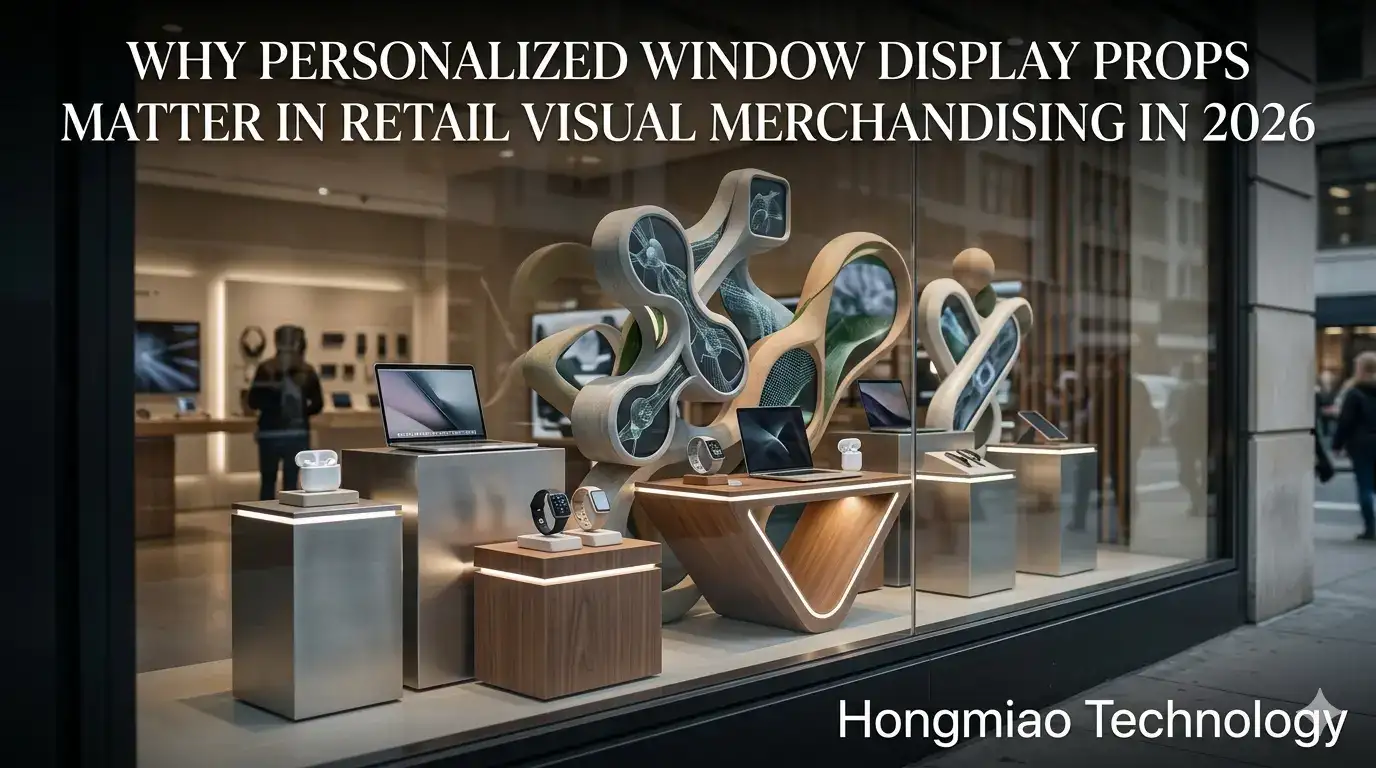
The retail landscape in 2026 has shifted away from traditional selling models toward immersive brand experiences. Window displays are no longer just glass partitions that show products; they are the first physical touchpoint of a brand's digital and physical narrative. High-street competition and the rise of hyper-personalized e-commerce have forced physical stores to rethink how they grab attention. Standard, mass-produced mannequins or generic shelving units often fail to stop a busy shopper because they lack the emotional spark or specific brand alignment needed in today’s market. Retailers now prioritize unique custom window display props to create a sense of exclusivity and immediate recognition. These tailored elements allow a store to communicate its specific values, seasonal themes, and aesthetic quality within seconds of a passerby looking at the glass.
In 2026, the "Experience Economy" dictates that every square inch of a retail store must offer value beyond the product itself. Shoppers want to feel like they are entering a curated world rather than a warehouse of goods. This is why original facts about retail trends show a massive lean toward bespoke elements that reflect current cultural shifts, such as hyper-locality and artistic expression. Generic props cannot compete with the precision of custom-built structures that fit a brand’s unique color palette or architectural style. When a retail brand uses props designed specifically for their space, they solve the problem of visual clutter and stand out as a premium destination. These personalized displays serve as a silent salesperson, bridging the gap between a customer's curiosity and their decision to walk through the door.
1. The Evolution of Retail Windows in 2026
The year 2026 marks a turning point where the "one-size-fits-all" approach to retail has officially collapsed. In previous years, brands could rely on standard wholesale props to fill their windows, but the modern consumer sees these as repetitive and boring. Generic props fail because they do not reflect the specific identity of the shop. When every store on the street uses the same plastic stands or wooden crates, the visual impact disappears into the background. This failure has led to a major rise in demand for specialized display solutions that speak a more direct language to the target audience.
Personalized window display props in 2026 are defined as custom-engineered visual elements built to match a brand's specific marketing goals. Unlike standard items, these props are designed with precise dimensions, unique textures, and integrated brand symbols. They are the backbone of modern visual merchandising because they turn a window into a stage. The context of 2026 retail is heavily influenced by the "Experience Economy." This means people spend money where they feel an emotional or sensory connection. If a window looks like a generic catalog, it loses the customer. If it looks like a personalized piece of art, it creates a memory.
Customer-centric retail is the new standard. Stores now analyze data to understand what their local community likes and then reflect those interests in their windows. If a neighborhood values high-tech aesthetics, the personalized props will feature sleek metals and sharp angles. If the community values nature, the props might use organic shapes and recycled textures. This level of detail is only possible when you move away from standard inventory and move toward custom production.
2. Personalized Props vs. Standard Wholesale Options
There is a massive difference between standard wholesale options and personalized display props. Standard props are usually made in bulk for thousands of different businesses. While they are cheap, they often lack durability and fail to fit the exact scale of a premium retail window. On the other hand, personalized props are created with a specific vision in mind. They allow a brand to control every detail, from the exact shade of a lacquer finish to the weight-bearing capacity of a hanging display. In 2026, the gap in quality between these two options has become very clear to the average shopper.
The 2026 consumer is highly educated and has access to endless options online. When they choose to visit a physical store, they demand a unique in-store presentation that justifies their journey. They can spot a "cheap" or "common" display from a distance. A unique window display tells the customer that the brand cares about quality and detail. If the props are unique, the customer assumes the products inside are also high-quality and special. This psychological link is a powerful tool for driving sales.
Shift in personalization is now a necessity rather than a luxury. In the past, only high-end luxury brands in Paris or New York used custom props. Today, even mid-tier retailers and boutique shops must use personalized elements to survive. Without a unique visual signature, a store becomes invisible in the crowded retail market. Investing in custom shapes and branded display units is the only way to maintain a competitive edge in a world where visual saturation is at an all-time high.
3. Building Brand Identity through Physical Storytelling
Personalized props act as the physical characters in a brand’s story. Every brand has a narrative that might be about heritage, innovation, or luxury. These props give that story a tangible shape. Instead of just placing a product on a shelf, a custom prop can hold the product in a way that suggests movement or history. For example, a brand focused on speed might use custom-molded aerodynamic shapes as pedestals. This physical storytelling helps customers understand what the brand stands for without reading a single word of text.
Integration is key to a successful display. Personalized props allow for the perfect alignment with brand guidelines. This includes:
- Color Matching: Using the exact Pantone shades of the brand logo on the prop surfaces.
- Logo Integration: 3D logos built directly into the structure of the display stands.
- Signature Textures: Using materials like brushed gold, reclaimed wood, or matte carbon fiber that the brand is known for.
When these elements are consistent, they build a recognizable retail environment. A customer should be able to identify the store just by looking at the style of the window props, even if the name of the shop is hidden. This level of brand recall is essential for companies that have multiple locations. Whether a customer is in London, Dubai, or Tokyo, the personalized props ensure that the brand experience remains identical and powerful across the globe.
4. Impact on Customer Engagement and Foot Traffic
In busy retail zones like shopping malls or city centers, the competition for a person's eyes is intense. Personalized focal points are the most effective way to increase attraction. A giant, custom-shaped prop that contrasts with the surrounding environment will naturally draw the eye. These focal points act as "visual magnets." Once the eye is captured, the person is much more likely to slow down and look at the actual merchandise being displayed.
The role of window display props extends to improving "dwell-time," which is the amount of time a customer spends looking at a display. A generic window gets a one-second glance. A personalized, intricate display can hold a person's attention for thirty seconds or more. This increased visibility directly correlates with higher foot traffic. If someone stops to admire the artistry of a custom prop, the barrier to entering the store is significantly lowered. They become curious about what else the brand has to offer inside.
An emotional connection is much easier to build when the display feels tailored. Personalized props can evoke feelings of nostalgia, excitement, or calm depending on their design. By using specific themes that resonate with the target audience, retailers can make the customer feel "seen" and understood. This emotional bond is what turns a one-time visitor into a loyal brand advocate. In 2026, the retail window is the start of a long-term relationship between the consumer and the brand.
5. Technological Synergy: The 2026 Modern Display
The modern display of 2026 is a blend of physical craftsmanship and digital innovation. Personalized props are now being designed with built-in smart sensors and AR-ready (Augmented Reality) features. For example, a custom prop might have a hidden sensor that triggers a change in lighting or a digital screen when a person walks by. This interaction makes the display feel alive. Shoppers can also point their phones at a personalized prop to see an AR layer that shows product details, prices, or even a virtual fashion show.
Lighting is another area where custom props shine. Modern visual merchandising uses lighting-integrated custom stands. Instead of just shining a spotlight from the ceiling, the light is built into the prop itself. This creates a glow that comes from within the display, highlighting the product features with extreme precision. These "glow-props" can change colors based on the time of day or the specific marketing campaign, ensuring the window always looks fresh and dynamic.
Linking digital storytelling with physical elements is the ultimate goal. A brand might run a social media campaign featuring specific shapes or characters. When the customer sees those exact same 3D shapes as personalized props in the window, it creates a seamless transition from the digital world to the physical store. This synergy makes the brand feel modern and tech-savvy, which is highly valued by the 2026 workforce and younger consumer generations.
|
Feature |
Standard Props |
Personalized Props (2026) |
|
Material |
Basic Plastic/MDF |
Eco-friendly/Smart Materials |
|
Design |
Generic Shapes |
Brand-Specific Designs |
|
Tech |
None |
AR-Ready/Sensor Integrated |
|
Life Cycle |
Single Use/Disposable |
Modular & Reusable |
|
Impact |
Low Engagement |
High Emotional Connection |
6. Sustainability: The New Standard for Personalization
Sustainability is no longer an option; it is a requirement in 2026. Personalized manufacturing has adapted by using eco-friendly materials such as biodegradable resins, recycled ocean plastics, and FSC-certified wood. Consumers today check the "green" credentials of a brand before making a purchase. When a window display uses beautiful, custom-made props that are also clearly marked as sustainable, it boosts the brand's reputation significantly.
Modular customization is a smart strategy for staying green. Instead of building a whole new prop for every season, brands now use modular personalized elements. These are pieces that can be taken apart, repainted, or reconfigured for a new campaign. For example, a base used for a winter display can be modified with new custom attachments for a spring launch. This reduces waste and saves money while still providing a "new" look for the customer every time they visit.
A brand’s sustainability image is greatly improved through these bespoke solutions. Using mass-produced plastic props that end up in a landfill is a PR disaster in 2026. By choosing a supplier that specializes in personalized, sustainable production, a retailer shows they are responsible. This commitment to the planet becomes part of the brand's identity, and the window display props are the most visible proof of that commitment.
7. Strategic Flexibility for Seasonal and Campaign-Based Displays
Retail is fast-moving, and personalized props offer the strategic flexibility needed to keep up. Seasonal launches require a specific atmosphere that standard props simply cannot provide. Whether it is the Chinese New Year, Valentine's Day, or a summer clearance, custom designs allow a brand to capture the exact mood of the moment. Because these props are tailored, they fit perfectly with the dimensions of the specific products being promoted in that season.
Tailored designs solve the problem of awkward product placement. When a brand launches a new perfume bottle with a unique shape, a standard shelf might not show it off correctly. A personalized prop can be built with a custom indent or a specific magnetic holder that fits the bottle perfectly. This ensures the product is the star of the show and is displayed at the perfect angle for the viewer.
Marketing campaigns are also much more effective when supported by customized displays. If a brand is collaborating with an artist or a celebrity, the window props can reflect that collaborator's style. This creates a "limited edition" feel for the entire store window. The ability to quickly produce and ship personalized props means that a brand can react to trends in real-time, keeping their retail space relevant and exciting.
8. B2B Strategic Benefits: Multi-Store Consistency and ROI
For large retail corporations, maintaining brand consistency across 100 or more branches is a huge challenge. Personalized props are the solution. By working with a professional supplier, a company can create a "master design" that is then produced in bulk but remains highly customized to the brand. This ensures that every single branch, no matter where it is located, presents the brand in exactly the same high-quality way. This level of uniformity is essential for building a global brand image.
Viewing personalized props as a brand asset is a shift in financial thinking. While the initial cost might be higher than buying standard items, the long-term value is much greater. Custom props are usually more durable and have a higher Return on Investment (ROI) because they drive more foot traffic and sales. They also have a longer life because they can be refurbished or used in different parts of the store after the window campaign ends.
Sourcing managers benefit from the scalability of personalized production. Modern suppliers can manage large orders with specific variations for different store sizes. A flagship store might get a large-scale version of a custom prop, while a smaller mall kiosk gets a scaled-down version of the same design. This flexibility in procurement makes the job of a sourcing manager much easier while ensuring the brand looks its best in every format.
9. Role of Professional Suppliers in Quality Execution
The success of a personalized display depends entirely on the quality of execution. A professional supplier does more than just manufacture; they support the entire design-to-production workflow. This starts with 3D modeling and prototyping. Before a single prop is made, the retailer can see a digital version of how it will look in their window. This prevents expensive mistakes and ensures the final product matches the creative vision of the visual merchandising team.
Managing bulk customized orders requires a high level of expertise. A professional supplier monitors timelines, quality control, and shipping logistics to ensure that the props arrive at every store location on time for a campaign launch. This is especially important for international brands that need props delivered to multiple countries simultaneously. The supplier acts as a partner who understands the high stakes of retail deadlines.
Direct production monitoring is another major benefit. When a retailer works directly with a factory or a specialized supplier, they have more control over the materials and the finish. They can request specific updates or make minor adjustments during the production phase. This direct link ensures that the final personalized window display props are exactly what the brand needs to win over customers in the competitive 2026 market.
Conclusion: Future-Proofing Retail Spaces
The future of retail in 2026 and beyond belongs to brands that can create a unique, physical world for their customers. Personalized display props are the most effective tool for this transformation. As digital shopping continues to grow, the role of the physical store becomes more about branding and experience than just simple transactions. A store with generic windows will struggle to find a reason to exist, but a store with a captivating, custom-designed entrance will always draw a crowd. Personalized elements allow a brand to stay flexible, relevant, and visually exciting in a fast-changing world.
In summary, personalized props are now a mandatory part of a competitive retail strategy. They solve the problem of brand invisibility, improve customer dwell-time, and allow for a seamless blend of technology and physical art. By investing in custom shapes, sustainable materials, and brand-aligned colors, retailers can build a powerful emotional connection with their audience. The retail window is no longer just a place to look at products; it is an invitation to experience a brand’s soul. To remain successful, businesses must treat their window displays as a dynamic, ever-evolving gallery of their brand’s story.
Choosing the Right Partner for Visual Excellence
Selecting a professional Custom Window Display Props Supplier is a strategic decision that affects your entire brand image. When you work with a partner who understands the complexities of 2026 retail trends, you gain access to innovative materials and advanced manufacturing techniques. A dedicated supplier ensures that your creative ideas are translated into high-quality physical props that can withstand the demands of a busy retail environment. This partnership allows your visual merchandising team to focus on storytelling while the technical experts handle the precision engineering and global logistics required for a successful rollout.
If you are looking to elevate your store's presence and drive meaningful engagement, it is time to invest in tailor-made solutions. Hongmiao Technology provides the expertise needed to create stunning, brand-focused displays that capture the attention of modern shoppers. By integrating smart technology and sustainable practices into every prop, you can future-proof your retail space and ensure your windows remain a powerful asset for years to come. Start designing your 2026 retail experience today and transform your windows into iconic landmarks that represent the very best of your brand.
Featured Articles
In today’s fast-paced B2B retail landscape, commercial neon signs have transformed from basic lighting into ess...
READ FULLA neon sign is a bright, hand-crafted light display that uses gla...
READ FULLBuying high volumes of custom signage for a business or a large-scale project can feel overwhelming. Many buyers worr...
READ FULL