




The Retailer's Guide to Sourcing Display Case Units from China at Wholesale Scale
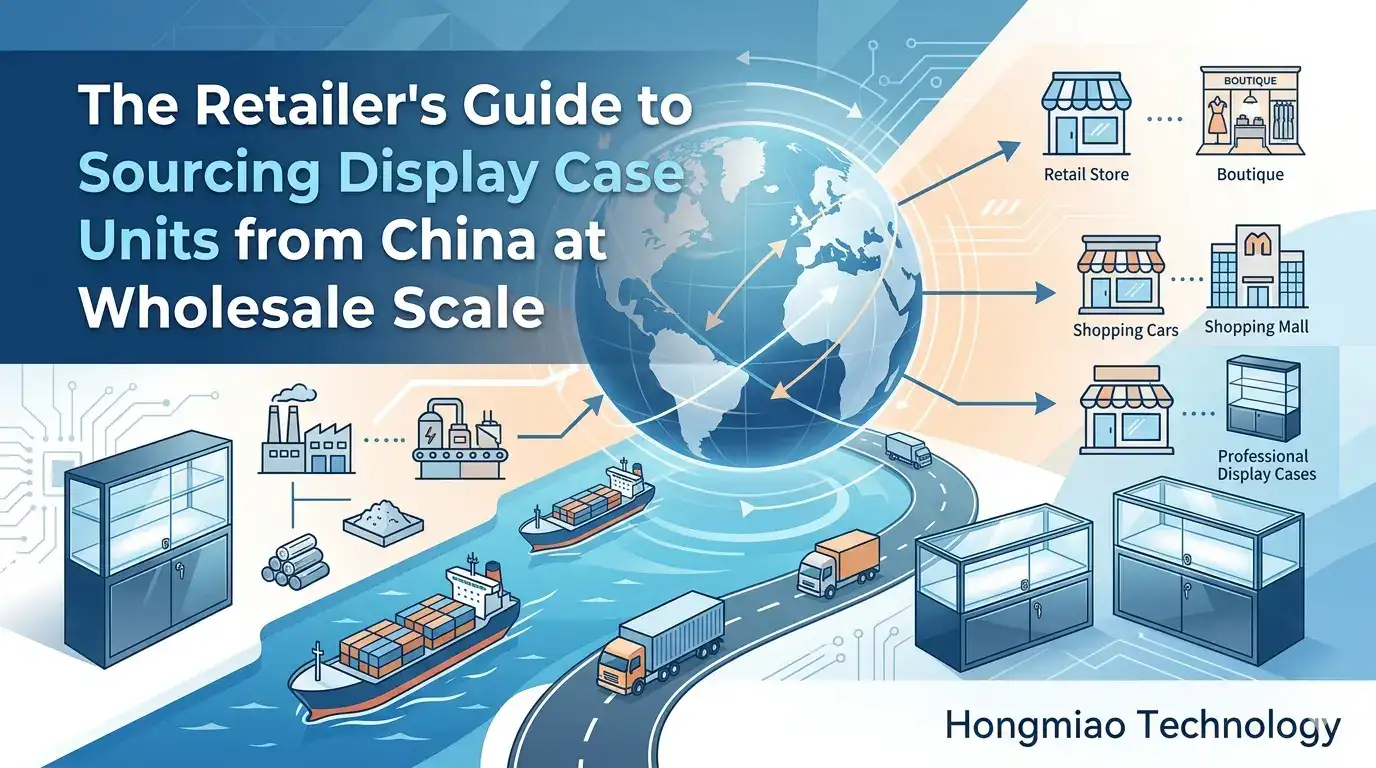
Sourcing retail fixtures from overseas is a strategic move for growing businesses. China remains the primary hub for high-quality display manufacturing due to its advanced infrastructure and cost-effective production cycles. For a retailer or an importer, finding a reliable wholesale display case provider is the first step toward building a professional store environment. This guide explores the entire procurement process, from material selection to final delivery, ensuring that buyers understand the technicalities of global sourcing.
Strategic Advantages of Global Manufacturing Hubs
The manufacturing landscape in international hubs offers unparalleled variety and scalability. Thousands of facilities specialize in different niches, ranging from luxury jewelry showcases to heavy-duty industrial units. Retailers choose these suppliers because they provide access to high-grade materials like tempered glass and anodized aluminum at competitive B2B prices.
Working directly with a production facility allows for significant customization that local distributors often cannot provide. Furthermore, the integration of supply chains in specialized industrial zones ensures that raw materials reach the assembly line quickly. This efficiency reduces the overall lead time for large-scale retail rollouts and franchise expansions.
Identifying the Right Style for Specific Retail Needs
Before placing a bulk order, a buyer must understand the specific requirements of their retail space. The choice of a display unit depends on the product type, floor layout, and security needs.
- Countertop Units: These are compact designs for point-of-sale areas. They work best for small electronics, impulse buy items, or high-value cosmetics.
- Floor-Standing Showcases: These are full-height structures that serve as the centerpiece of a store. They offer maximum shelf space and are ideal for fashion accessories and collectibles.
- Wall-Mounted Designs: These units save floor space while keeping products at eye level. They are popular in boutique shops and pharmacies where floor area is limited.
- Tower Showcases: These provide a 360-degree view of the merchandise. They are often used in the middle of a showroom to highlight premium brand items.
Material Selection: Ensuring Durability and Clarity
The quality of a retail fixture depends heavily on the materials used during production. A retailer must specify these standards to ensure the longevity of the equipment in high-traffic environments.
- Tempered Glass: This is the industry standard for safety and clarity. Tempered glass is much stronger than regular glass and shatters into small, blunt pieces if broken, reducing liability risks.
- Acrylic (PMMA): Acrylic is lightweight and shatterproof. It is an excellent choice for countertop units that need to be moved frequently or shipped in smaller parcels.
- Aluminum Frames: Anodized aluminum provides a rust-resistant and sturdy skeleton. It supports heavy glass panels and maintains a modern aesthetic over years of use.
- MDF and Wood Veneers: These materials add a premium, warm feel to the display. They are commonly used in high-end watch and jewelry boutiques to create a luxury atmosphere.
How to Vet a Reliable Manufacturing Partner
Finding a supplier is easy, but vetting a production partner requires diligence. Working directly with a factory provides more control over the production process than working with a middleman or trading company.
A buyer should request a factory audit report and a valid business license. Checking the supplier’s past portfolio reveals their experience with international brands and specific industries. A reliable manufacturer will always provide technical drawings (CAD) before starting the mass production phase. This step ensures that the final product matches the retailer's exact dimensions and functional requirements.
The Customization Process: Tailored Design Services
One of the biggest advantages of direct sourcing is the ability to customize. Retailers often need units that match their specific brand colors or unique store dimensions to maintain a consistent look.
The process usually begins with a detailed design brief. The manufacturer creates a 3D prototype to show how the lighting, shelving, and locking mechanisms will function in a real-world setting. Customization options include adding LED strips, silk-screening brand logos on the glass, or choosing specific wood finishes. Once the sample is approved, the factory moves to the mass production phase to ensure uniformity across all units.
Understanding B2B Logistics and Shipping Terms
Logistics is a critical part of the sourcing journey. Most international orders are handled under FOB (Free on Board) or CIF (Cost, Insurance, and Freight) terms.
- FOB: The buyer takes responsibility once the goods are loaded onto the ship at the origin port. This gives the buyer more control over shipping costs and choice of carrier.
- CIF: The supplier handles the shipping and insurance to the buyer’s destination port. This is often easier for new importers who are unfamiliar with international freight.
Packaging is another vital factor for fragile goods. Each unit must be packed in reinforced wooden crates with foam inserts. Since glass is fragile, the manufacturer must ensure that the packaging can withstand the vibrations and handling of sea freight transit.
Quality Control and Inspection Standards
Quality control should happen at multiple stages of the manufacturing cycle. A professional manufacturer performs internal inspections during assembly, but many retailers also hire third-party inspectors to verify the goods before they leave the factory.
The inspection checklist should include:
- Glass Clarity: Checking for bubbles, scratches, or uneven edges that might affect visibility.
- Structural Stability: Ensuring the frame is level and the shelves can hold the required weight without sagging.
- Electrical Safety: Testing the LED lights and wiring to meet local safety standards such as UL or CE.
- Locking Mechanisms: Verifying that all keys and locks work smoothly across multiple units.
Common Pitfalls to Avoid in Global Sourcing
Many retailers make the mistake of choosing the lowest price without checking the material specifications. A cheap unit might use thin glass or weak frames, leading to breakage during transit or quick wear and tear in the store.
Another pitfall is poor communication. Using simple, direct language and technical drawings helps avoid misunderstandings during the design phase. Retailers should also be aware of the import duties and taxes in their own country before placing the order to calculate the true landed cost.
Partner with an Experienced Display Manufacturer
Building a successful retail environment requires fixtures that are both aesthetic and durable. Choosing a partner with a proven track record in global exports ensures that your store launch stays on schedule and within budget. Our team provides professional manufacturing and logistics support to help you scale your retail presence across international markets.
At Hongmiao Technology, we handle the entire process from initial 3D prototyping to final assembly and secure crating. We understand the high standards required by global importers and offer flexible production capacities to meet your bulk sourcing needs. Contact us today to receive a comprehensive quotation for your next project.
Featured Articles
Creating custom window display props requires a careful balance between visual appeal and structural durability. When...
READ FULLIn today’s fast-paced B2B retail landscape, commercial neon signs have transformed from basic lighting into ess...
READ FULLA neon sign is a bright, hand-crafted light display that uses gla...
READ FULL